Product Description
Product Description
ZIQI CHINAMFG Screw Air Compressor Advantages:
A.80% components of CHINAMFG Compressor adopt global well known reliable brand to make sure the air compressor with high quality,durable,energy saving:
1.Core part:Germany GHH RAND screw air end ;
2.Motor:adopt Brazil WEG brand,the second biggest motor manufacturer in the world,IE4 energy saving standard 3 phase induction motor,IP55 protection;
3.Italian EURE oil air vessel ,the lead pressure vessel manufacturer in the world;
4.Italian Manuli oil tube ;
5.French Schneider electric system;
6.Sweden CHINAMFG bearings
Energy saving:
The air compressor equiped the frequency inverter,to make the air compressor with variable speed drive [VSD].The principle of VSD is to adjust the motor rotation speed automatically according to the actual air consumption. The reduced system pressure decreases the total energy consumption of the whole system, which can reduce energy costs by 35% or more.
Technical Parameter
| Model | Air pressure | Max air displacement | Motor power | transmission | dimension | Weight | Noise | Outlet | ||||||
| cooling type | ||||||||||||||
| mpa | bar(e) | psi(g) | m3/min | cfm | hp | kw | belt drive & air cooling |
L(mm) | W(mm) | H(mm) | Kgs | dB(A) | mm | |
| GA-3.7A | 0.7 | 7 | 102 | 0.55 | 19 | 5 | 3.7 | 680 | 660 | 780 | 220 | 60±2 | 20 | |
| 0.8 | 8 | 116 | 0.45 | 16 | ||||||||||
| 1 | 10 | 145 | 0.35 | 12 | ||||||||||
| GA-5.5A | 0.7 | 7 | 102 | 0.8 | 28 | 7 | 5.5 | 680 | 660 | 780 | 230 | 61±2 | 20 | |
| 0.8 | 8 | 116 | 0.7 | 25 | ||||||||||
| 1 | 10 | 145 | 0.6 | 21 | ||||||||||
| 1.3 | 13 | 189 | 0.5 | 18 | ||||||||||
| GAS-7.5A VFC | 0.7 | 7 | 102 | 1.3 | 46 | 10 | 7.5 | 950 | 650 | 915 | 270 | 62±2 | 20 | |
| 0.8 | 8 | 116 | 1.2 | 42 | ||||||||||
| 1 | 10 | 145 | 1.1 | 39 | ||||||||||
| 1.3 | 13 | 189 | 0.9 | 32 | ||||||||||
| GAS-11A VFC | 0.7 | 7 | 102 | 1.8 | 64 | 15 | 11 | 950 | 650 | 915 | 280 | 63±2 | 20 | |
| 0.8 | 8 | 116 | 1.7 | 60 | ||||||||||
| 1 | 10 | 145 | 1.5 | 53 | ||||||||||
| 1.3 | 13 | 189 | 1.2 | 42 | ||||||||||
| GAS-15A VFC | 0.7 | 7 | 102 | 2.7 | 95 | 20 | 15 | 1260 | 850 | 1220 | 540 | 66±2 | 25 | |
| 0.8 | 8 | 116 | 2.5 | 88 | ||||||||||
| 1 | 10 | 145 | 2.3 | 81 | ||||||||||
| 1.3 | 13 | 189 | 2 | 71 | ||||||||||
| GAS-18.5A VFC | 0.7 | 7 | 102 | 3.2 | 113 | 25 | 18.5 | 1260 | 850 | 1220 | 550 | 67±2 | 25 | |
| 0.8 | 8 | 116 | 3 | 106 | ||||||||||
| 1 | 10 | 145 | 2.8 | 99 | ||||||||||
| 1.3 | 13 | 189 | 2.4 | 85 | ||||||||||
| GAS-22A VFC | 0.7 | 7 | 102 | 3.8 | 134 | 30 | 22 | 1260 | 850 | 1220 | 560 | 67±2 | 25 | |
| 0.8 | 8 | 116 | 3.6 | 127 | ||||||||||
| 1 | 10 | 145 | 3.2 | 113 | ||||||||||
| 1.3 | 13 | 189 | 2.8 | 99 | ||||||||||
| GAS-30A VFC | 0.7 | 7 | 102 | 5.7 | 201 | 40 | 30 | 1500 | 970 | 1375 | 780 | 67±2 | 40 | |
| 0.8 | 8 | 116 | 5.5 | 194 | ||||||||||
| 1 | 10 | 145 | 5 | 177 | ||||||||||
| 1.3 | 13 | 189 | 4.5 | 159 | ||||||||||
| GAS-37A VFC | 0.7 | 7 | 102 | 6.8 | 240 | 50 | 37 | 1500 | 970 | 1375 | 800 | 68±2 | 40 | |
| 0.8 | 8 | 116 | 6.31 | 222 | ||||||||||
| 1 | 10 | 145 | 5.7 | 201 | ||||||||||
| 1.3 | 13 | 189 | 5 | 177 | ||||||||||
| GAS-45A VFC | 0.7 | 7 | 102 | 7.9 | 279 | 60 | 45 | 1500 | 970 | 1375 | 820 | 69±2 | 40 | |
| 0.8 | 8 | 116 | 7.4 | 261 | ||||||||||
| 1 | 10 | 145 | 6.9 | 244 | ||||||||||
| 1.3 | 13 | 189 | 6.1 | 215 | ||||||||||
| GAS-55A VFC | 0.7 | 7 | 102 | 10.9 | 385 | 75 | 55 | direct drive &air cooling or water cooling | 2150 | 1326 | 1766 | 1550 | 69±2 | 50 |
| 0.8 | 8 | 116 | 10.4 | 367 | ||||||||||
| 1 | 10 | 145 | 9.4 | 332 | ||||||||||
| 1.3 | 13 | 189 | 8.6 | 304 | ||||||||||
| GAS-75A VFC | 0.7 | 7 | 102 | 14.5 | 512 | 100 | 75 | 2150 | 1326 | 1766 | 1600 | 70±2 | 50 | |
| 0.8 | 8 | 116 | 13.8 | 487 | ||||||||||
| 1 | 10 | 145 | 12.6 | 445 | ||||||||||
| 1.3 | 13 | 189 | 11.2 | 395 | ||||||||||
| GAS-90A VFC | 0.7 | 7 | 102 | 17 | 600 | 120 | 90 | 2545 | 1450 | 1900 | 2500 | 75±2 | 65 | |
| 0.8 | 8 | 116 | 16.5 | 583 | ||||||||||
| 1 | 10 | 145 | 15.2 | 537 | ||||||||||
| 1.3 | 13 | 189 | 14 | 494 | ||||||||||
*For other requirements,please contact the salesman.
Company Information
Packaging & Shipping
FAQ
Are you manufacturer?
ZIQI: Yes,we are professional air compressor manufacturer over 10 years and our factory located in ZheJiang .
How long is your air compressor warranty?
ZIQI: For 1 year.
Do you provide After- sales service parts?
ZIQI: Of course, We could provide easy- consumable spares.
How long could your air compressor be used?
ZIQI: Generally, more than 10 years.
How about your price?
ZIQI: Based on high quality, Our price is very competitive in this market all over the world.
How about your customer service?
ZIQI: For email, we could reply our customers’ emails within 2 hours.
Do you support OEM?
ZIQI: YES, and we also provide multiple models to select.
How to get quicker quotation?
When you send us inquiry, please confirm below information at the same time:
* What is the air displacement (m3/min,cfm/min)?
* What is the air pressure (mpa,bar,psi)?
* What is the voltage in your factory (v/p/Hz)?
* It is ok if you need air tank, air dryer and filters.
This information is helpful for us to check suitable equipment solution and quotation quickly.
/* January 22, 2571 19:08:37 */!function(){function s(e,r){var a,o={};try{e&&e.split(“,”).forEach(function(e,t){e&&(a=e.match(/(.*?):(.*)$/))&&1
| After-sales Service: | Online Support |
|---|---|
| Warranty: | 2 Years |
| Lubrication Style: | Lubricated |
| Cooling System: | Air Cooling |
| Power Source: | AC Power |
| Cylinder Position: | Vertical |
| Customization: |
Available
|
|
|---|
.webp)
How are air compressors utilized in pharmaceutical manufacturing?
Air compressors play a crucial role in pharmaceutical manufacturing, where they are utilized for various critical applications. The pharmaceutical industry requires a reliable source of clean and compressed air to ensure the safety, efficiency, and quality of its processes. Here’s an overview of how air compressors are utilized in pharmaceutical manufacturing:
1. Manufacturing Processes:
Air compressors are used in numerous manufacturing processes within the pharmaceutical industry. Compressed air is employed for tasks such as mixing and blending of ingredients, granulation, tablet compression, coating, and encapsulation of pharmaceutical products. The controlled delivery of compressed air facilitates precise and consistent manufacturing processes, ensuring the production of high-quality pharmaceuticals.
2. Instrumentation and Control Systems:
Pharmaceutical manufacturing facilities rely on compressed air for powering instrumentation and control systems. Compressed air is used to operate pneumatic valves, actuators, and control devices that regulate the flow of fluids, control temperature and pressure, and automate various processes. The clean and dry nature of compressed air makes it ideal for maintaining the integrity and accuracy of these critical control mechanisms.
3. Packaging and Filling:
Air compressors are employed in pharmaceutical packaging and filling processes. Compressed air is used to power machinery and equipment for bottle cleaning, labeling, capping, and sealing of pharmaceutical products. Compressed air provides the necessary force and precision for efficient and reliable packaging, ensuring product safety and compliance.
4. Cleanroom Environments:
Pharmaceutical manufacturing often takes place in controlled cleanroom environments to prevent contamination and maintain product quality. Air compressors are used to supply clean and filtered compressed air to these cleanrooms, ensuring a controlled and sterile environment for the production of pharmaceuticals. Compressed air is also utilized in cleanroom air showers and air curtains for personnel and material decontamination.
5. Laboratory Applications:
In pharmaceutical laboratories, air compressors are utilized for various applications. Compressed air is used in laboratory instruments, such as gas chromatographs, mass spectrometers, and other analytical equipment. It is also employed in clean air cabinets, fume hoods, and laminar flow benches, providing a controlled and clean environment for testing, analysis, and research.
6. HVAC Systems:
Air compressors are involved in heating, ventilation, and air conditioning (HVAC) systems in pharmaceutical manufacturing facilities. Compressed air powers the operation of HVAC controls, dampers, actuators, and air handling units, ensuring proper air circulation, temperature control, and environmental conditions in various manufacturing areas.
By utilizing air compressors in pharmaceutical manufacturing, the industry can maintain strict quality standards, enhance operational efficiency, and ensure the safety and efficacy of pharmaceutical products.
.webp)
How do you maintain proper air quality in compressed air systems?
Maintaining proper air quality in compressed air systems is essential to ensure the reliability and performance of pneumatic equipment and the safety of downstream processes. Here are some key steps to maintain air quality:
1. Air Filtration:
Install appropriate air filters in the compressed air system to remove contaminants such as dust, dirt, oil, and water. Filters are typically placed at various points in the system, including the compressor intake, aftercoolers, and before point-of-use applications. Regularly inspect and replace filters to ensure their effectiveness.
2. Moisture Control:
Excessive moisture in compressed air can cause corrosion, equipment malfunction, and compromised product quality. Use moisture separators or dryers to remove moisture from the compressed air. Refrigerated dryers, desiccant dryers, or membrane dryers are commonly employed to achieve the desired level of dryness.
3. Oil Removal:
If the compressed air system utilizes oil-lubricated compressors, it is essential to incorporate proper oil removal mechanisms. This can include coalescing filters or adsorption filters to remove oil aerosols and vapors from the air. Oil-free compressors eliminate the need for oil removal.
4. Regular Maintenance:
Perform routine maintenance on the compressed air system, including inspections, cleaning, and servicing of equipment. This helps identify and address any potential issues that may affect air quality, such as leaks, clogged filters, or malfunctioning dryers.
5. Air Receiver Tank Maintenance:
Regularly drain and clean the air receiver tank to remove accumulated contaminants, including water and debris. Proper maintenance of the tank helps prevent contamination from being introduced into the compressed air system.
6. Air Quality Testing:
Periodically test the quality of the compressed air using appropriate instruments and methods. This can include measuring particle concentration, oil content, dew point, and microbial contamination. Air quality testing provides valuable information about the effectiveness of the filtration and drying processes and helps ensure compliance with industry standards.
7. Education and Training:
Educate personnel working with compressed air systems about the importance of air quality and the proper procedures for maintaining it. Provide training on the use and maintenance of filtration and drying equipment, as well as awareness of potential contaminants and their impact on downstream processes.
8. Documentation and Record-Keeping:
Maintain accurate records of maintenance activities, including filter replacements, drying system performance, and air quality test results. Documentation helps track the system’s performance over time and provides a reference for troubleshooting or compliance purposes.
By implementing these practices, compressed air systems can maintain proper air quality, minimize equipment damage, and ensure the integrity of processes that rely on compressed air.
.webp)
What is the impact of tank size on air compressor performance?
The tank size of an air compressor plays a significant role in its performance and functionality. Here are the key impacts of tank size:
1. Air Storage Capacity: The primary function of the air compressor tank is to store compressed air. A larger tank size allows for greater air storage capacity. This means the compressor can build up a reserve of compressed air, which can be useful for applications that require intermittent or fluctuating air demand. Having a larger tank ensures a steady supply of compressed air during peak usage periods.
2. Run Time: The tank size affects the run time of the air compressor. A larger tank can provide longer continuous operation before the compressor motor needs to restart. This is because the compressed air in the tank can be used to meet the demand without the need for the compressor to run continuously. It reduces the frequency of motor cycling, which can improve energy efficiency and prolong the motor’s lifespan.
3. Pressure Stability: A larger tank helps maintain stable pressure during usage. When the compressor is running, it fills the tank until it reaches a specified pressure level, known as the cut-out pressure. As the air is consumed from the tank, the pressure drops to a certain level, known as the cut-in pressure, at which point the compressor restarts to refill the tank. A larger tank size results in a slower pressure drop during usage, ensuring more consistent and stable pressure for the connected tools or equipment.
4. Duty Cycle: The duty cycle refers to the amount of time an air compressor can operate within a given time period. A larger tank size can increase the duty cycle of the compressor. The compressor can run for longer periods before reaching its duty cycle limit, reducing the risk of overheating and improving overall performance.
5. Tool Compatibility: The tank size can also impact the compatibility with certain tools or equipment. Some tools, such as high-demand pneumatic tools or spray guns, require a continuous and adequate supply of compressed air. A larger tank size ensures that the compressor can meet the air demands of such tools without causing pressure drops or affecting performance.
It is important to note that while a larger tank size offers advantages in terms of air storage and performance, it also results in a larger and heavier compressor unit. Consider the intended application, available space, and portability requirements when selecting an air compressor with the appropriate tank size.
Ultimately, the optimal tank size for an air compressor depends on the specific needs of the user and the intended application. Assess the air requirements, duty cycle, and desired performance to determine the most suitable tank size for your air compressor.


editor by CX 2024-05-07
China Custom Plastic Outdoor Furniture Plastic Chair LED Chair and Table 3 Arms 4 Stations Small Rotomolding Machine wholesaler
Product Description
Quick Details
Technical data sheet:
| Model No. | Oven Size(mm) | Machine Dimensions(mm) | Total Power (kw) |
Total weight(Ton) | ||
| L | W | H | ||||
| BF-2500TL | Ø2500 | 13500 | 9000 | 4000 | 35 | 16 |
| BF-3000TL | Ø3000 | 15500 | 10500 | 4500 | 35 | 20 |
| BF-3500TL | Ø3500 | 17500 | 11500 | 5100 | 45 | 24 |
| BF-4000TL | Ø4000 | 19500 | 13500 | 5600 | 45 | 26 |
| BF-4500TL | Ø4500 | 21500 | 15500 | 6100 | 56 | 28 |
| Machinery type: | Carrousel rotomolding machine |
| Heating supply: | Natural gas,liquefied gas,diesel oil |
| Temperature control: | DTE Control±2ºC |
| Burner system: | Riello |
| Cooling mode: | Fan cooling |
| Control mode: | Touch screen+PLC(Siemens brand) |
| Electric brand: | Schneider,Omron |
| Delivery time: | About 60 days after receive the deposit |
| Overseas Installation period | It CHINAMFG on machine size,usually takes 10-20days |
| Heating rate: | 3 miniutes from room temperature to 280 degree in oven |
Machine Premium Features:
1. It only need 3mins. from room temperature increase to 250 to 280 degree in oven
2. Arm CHINAMFG of special alloy material of good load
3. Full gear transmission, high efficiency
4. Full automatic operation with CHINAMFG PLC.
5. Heavy duty oven and energy saving
6. Loading and unloading easy for mould
7. Special deep cavity heating technical, suitable for complicated product
8. Internet remote control when machine has problems in overseas.
9. All motors use CHINAMFG brand,burner is Riello from Italy and electric brand is Schneider and Omron.
Company Indroduce
Contact us
/* January 22, 2571 19:08:37 */!function(){function s(e,r){var a,o={};try{e&&e.split(“,”).forEach(function(e,t){e&&(a=e.match(/(.*?):(.*)$/))&&1
| Certification: | CE, ISO |
|---|---|
| Molding Method: | Rotomolding |
| Automatic Grade: | Automatic |
| Delivery Time: | 60 Days |
| Warranty: | 1 Year |
| After Sales Provided: | Field Installation, Commissioning and Training |
| Customization: |
Available
|
|
|---|

How can I prevent outdoor furniture from fading in the sun?
To prevent outdoor furniture from fading in the sun, you can take several measures to protect the furniture and extend its lifespan. Here are some tips to consider:
1. Choose Fade-Resistant Materials:
Opt for outdoor furniture made from fade-resistant materials. Look for materials specifically designed to withstand sun exposure, such as UV-resistant plastics, fade-resistant fabrics, or furniture with a protective coating.
2. Apply UV-Protective Sealants:
Coat your outdoor furniture with a UV-protective sealant or finish. These products create a barrier between the furniture and the sun’s UV rays, helping to prevent fading and discoloration.
3. Use Protective Covers:
When the furniture is not in use, cover it with protective covers specifically designed for outdoor furniture. These covers help shield the furniture from direct sunlight and other elements, preventing fading and damage.
4. Provide Shade:
Position your outdoor furniture in shaded areas whenever possible. Natural shade provided by trees or umbrellas can help reduce the direct exposure to sunlight, minimizing the risk of fading.
5. Utilize Umbrellas or Canopies:
Consider incorporating umbrellas or canopies into your outdoor furniture setup. These shade-providing structures can be adjusted to block the sun’s rays and protect the furniture from excessive exposure.
6. Rearrange Furniture Periodically:
Rotate and rearrange your outdoor furniture periodically. This helps distribute the effects of sun exposure more evenly across the furniture, preventing specific areas from fading more quickly than others.
7. Clean and Maintain Regularly:
Keep your outdoor furniture clean and well-maintained. Regularly remove dirt, debris, and stains, as they can contribute to the fading process. Follow the manufacturer’s instructions for proper cleaning and maintenance.
8. Store During Extreme Weather:
If possible, store your outdoor furniture indoors or in a covered area during extreme weather conditions, such as intense sunlight or heavy rain. This provides additional protection and extends the life of the furniture.
9. Consider Retractable Awnings or Sunshades:
If you have a larger outdoor space, consider installing retractable awnings or sunshades. These adjustable covers can be extended to block the sun’s rays when needed, protecting the outdoor furniture from excessive sunlight.
By implementing these preventive measures, you can significantly reduce the risk of fading and keep your outdoor furniture looking vibrant and beautiful over time.
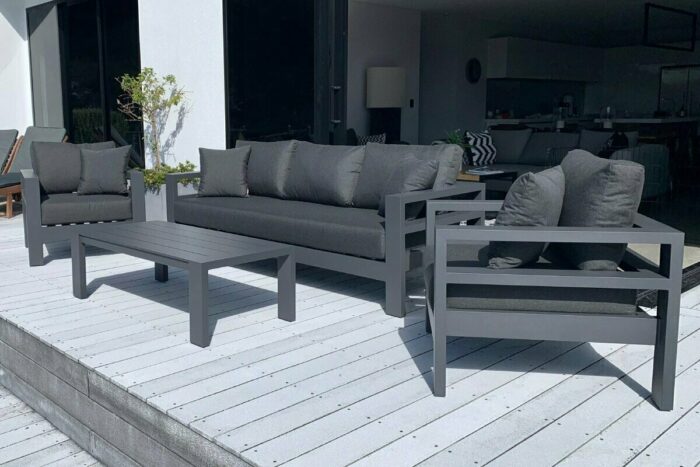
What are the advantages of using teak wood for outdoor furniture?
Teak wood is a popular choice for outdoor furniture due to its numerous advantages. Here are some of the key advantages of using teak wood:
1. Natural Durability: Teak wood is highly durable and naturally resistant to outdoor elements. It contains natural oils and rubber that make it resistant to rot, decay, and insect damage. Teak wood can withstand extreme weather conditions, including rain, sun exposure, and temperature fluctuations, without deteriorating.
2. Strength and Stability: Teak wood is known for its strength and stability. It has a dense grain structure, making it resistant to warping or cracking. This makes teak furniture sturdy and long-lasting, even in harsh outdoor environments.
3. Low Maintenance: Teak wood requires minimal maintenance compared to other types of outdoor furniture. Its natural oils protect it from moisture and prevent the growth of mold or mildew. Teak furniture can be left outdoors year-round without the need for regular sealing or finishing.
4. Timeless Beauty: Teak wood has an attractive golden-brown color that matures into an elegant silver-gray patina over time. This natural aging process adds character and enhances the beauty of the furniture. Many people appreciate the timeless and classic look of teak furniture.
5. Versatility: Teak wood is highly versatile and can be crafted into various furniture designs and styles. It can be intricately carved or shaped into sleek and modern designs. Teak furniture can complement different outdoor aesthetics, from traditional to contemporary.
6. Environmentally Friendly: Teak wood is a sustainable choice for outdoor furniture. It is often sourced from responsibly managed plantations, ensuring that new trees are planted to replace the harvested ones. Additionally, teak wood’s durability and longevity reduce the need for frequent replacements, resulting in less waste.
7. Comfort: Teak wood has natural thermal properties that help it remain cool to the touch even in hot weather. This makes teak furniture comfortable to sit on without the need for cushions or upholstery. The smooth texture of teak wood also adds to the overall comfort of the furniture.
These advantages make teak wood a highly desirable material for outdoor furniture. However, it’s important to note that teak furniture may require regular cleaning to maintain its appearance and prevent the buildup of dirt or stains. Applying teak oil can also help preserve its natural color if desired.
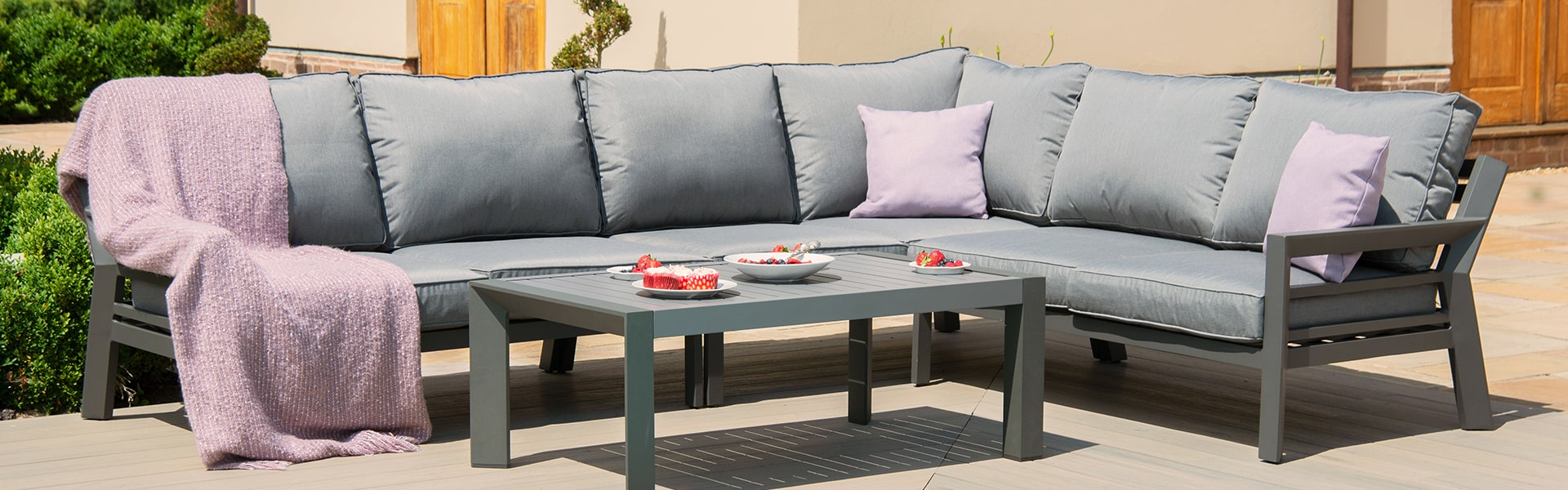
How do I choose the right cushions and fabrics for my outdoor furniture?
Choosing the right cushions and fabrics for your outdoor furniture is essential to ensure comfort, durability, and resistance to the elements. Here are some factors to consider when making your selection:
1. Weather Resistance: Opt for cushions and fabrics that are specifically designed for outdoor use and can withstand various weather conditions. Look for materials that are water-resistant, fade-resistant, and mold/mildew-resistant. Common weather-resistant fabrics include solution-dyed acrylic, polyester blends, and Sunbrella fabrics.
2. Durability: Outdoor furniture cushions and fabrics should be able to withstand frequent use and the rigors of outdoor environments. Choose fabrics that are durable and have a high abrasion resistance rating. Reinforced stitching and quality construction also contribute to the longevity of the cushions.
3. UV Protection: Sun exposure can cause fading and deterioration of fabrics. Select fabrics that have built-in UV protection to minimize color fading and maintain their appearance over time. Sunbrella fabrics, for example, offer excellent UV resistance.
4. Easy Maintenance: Consider the ease of cleaning and maintenance when choosing cushions and fabrics. Look for fabrics that are easy to clean with mild soap and water or can be machine-washed. Stain-resistant fabrics can also be beneficial in outdoor settings.
5. Comfort: Opt for cushions that provide sufficient comfort and support. Consider the thickness and density of the cushion foam or filling. High-quality foam or fiberfill materials offer better resilience and long-lasting comfort.
6. Color and Style: Choose cushions and fabrics that complement your outdoor aesthetic and personal style. Consider the color scheme, patterns, and textures that will enhance the overall look of your outdoor furniture and space.
7. Compatibility: Ensure that the cushions and fabrics you choose are compatible with your specific outdoor furniture pieces. Measure the dimensions of your furniture and select cushions that fit properly and securely.
8. Test and Research: Whenever possible, examine and test the cushions and fabrics in person. Feel the texture, sit on the cushions, and assess their comfort and quality. Additionally, research customer reviews and ratings to gather insights into the performance and durability of the fabrics.
By considering these factors and conducting thorough research, you can choose cushions and fabrics that are well-suited for your outdoor furniture, providing comfort, durability, and style for your outdoor living space.
editor by CX 2024-04-15
China Standard Plastic Garden LED Furniture Rotomolding Machine vacuum pump brakes
Product Description
Features:
| Model | Floor size | Operating platform | Biggest tank made | ||
| L(m) | W(m) | H(m) | |||
| CS-1000 | 3.5 | 2.5 | 1.6 | × | 150L |
| CS-1600 | 7.5 | 3.5 | 2.6 | √ | 750L |
| CS-2000 | 9.5 | 4.5 | 3.1 | √ | 1000L |
| CS-2500 | 12 | 6 | 3.8 | √ | 2500L |
| CS-3000 | 13.5 | 7 | 4.3 | √ | 4500L |
| CS-3500 | 15 | 8 | 4.8 | √ | 7000L |
| CS-4000 | 17 | 9 | 5.4 | √ | 10000L |
| CS-4500 | 18.5 | 10 | 6 | √ | 14000L |
| CS-5000 | 20.5 | 11 | 6.1 | √ | 20000L |
| CS-5500 | 22 | 12 | 6.6 | √ | 25000L |
| CS-6000 | 24 | 13 | 7.5 | √ | 35000L |
| CS-6500 | 26 | 14.5 | 8.5 | √ | 40000L |
| 1.The price of the rotational moulding machine is cheaper than that of carrousel type;
2.This machine is suitable for producing large and super-large rotational moulding plastic products; 3.This machine is suitable for simultaneous production of products with large time differences at each molding stage. |
| Rising Sun Rotomolding Co., Ltd. started in 2003, located on a peninsula in HangZhou,ZHangZhoug province, where the first glimmers of light hit in 2000. It is a technology-based enterprise, which serves as a professional R & D platform of Rotational Moulding with CHINAMFG rotational molding mould,covering the area of rotational machinery, rotational molding mould,and technology R&D. The company is the member of The Affiliation of Rotational Moulding Organization (ARMO) . The company also has many other titles, such as the deputy director of the Rotomoulding Professional Committee of China Plastic Processing Industry Association (RPC-CPPIA), National High-tech Enterprise and Rotational Moulding R&D Center and Practice Base. Taking independent research and development of Rotational Moulding as the core, the company was the first to pass some authoritative certifications, such as UL, CE… |
| Rising Sun company’s rotomolding solutions(Equipment/ mould)have been served to more than 60 countries, such as Italy, UK, Hungary, USA, Canada, Russia, Korea, Indonesia, Cambodia, Philippines, Ethiopia, Tanzania, Zambina, Zimbabwe, Egypt, Algeria, Australia, New Zealand, and more countries in the world. The company has produced the advanced rotomolding equipment for dozens of domestic companies in different industries, and has accumulated rich experience in the production of rotomolding equipment, mould and various rotomolding products. |
| Q:Whats your companys’ main products?
A:Our company is specialized in the rotationalmolding machines, moulds,technology R&D . |
| Q:How to control the products quality ?
A:We have always placed great emphasis onquality control to ensure that excellent qualitylevel is maintained . Moreover , the principle wealways maintain is ” strictly qualitycontrol , incessant technology development , highefficiency management system , and satisfactoryservice .We have CE certification ISO9001 andVB Certification . ect certificates. |
| Q:How to chose a rotomolding machine of suitable model and size?
A:Rising Sun’s experience will help you to select the suitable rotomolding machine!We will do our best to analyze the product size, output requirements, product characteristics, difficulty of demolding, mold placement on machine…etc, to recommend a suitable size and type machine. The more information provided, the more questions will be settled, and the more suitable machine are be recommended. |
| Q:What types rotomolding machines do you manufacture?
A:It is fast and easy to start once you can send your product drawing or picture with size or sample to us!What is more, Rising Sun will do more works to help you get the perfect product, such as:a.Product material, structure, application,thickness,inserts;b.Mould material, locking system, hoist safety,machine placement, demoulding efficiency;c.Sample test.All above is respect to customer’s initial design or work under confirmed modification, a professional manager to follow up from start to final accept. |
| Q:We are plan to make a new mould, what we do to start?
A:After around 20 years of development, Rising Sun has achieved mass production of a variety of equipment: a. Classification according to production mode: Carrousel rotomolding machine, shuttle rotomolding machine, rock n roll rotomolding machine, lined shuttle rotomoldng machine, Single arm rotomolding machine…b. Classification according to heating mode:Pure hot air, open flame, Oven electric heating, mould electric heating.c. It’s worth mentioning that it is very cost-effective to customize your own unique rotomolding equipment in Rising Sun. |
Pls fill in below frame with your require!
Thanks for your inquiry!
/* January 22, 2571 19:08:37 */!function(){function s(e,r){var a,o={};try{e&&e.split(“,”).forEach(function(e,t){e&&(a=e.match(/(.*?):(.*)$/))&&1
| After-sales Service: | Engineers Available to Service |
|---|---|
| Warranty: | 1 Year |
| Certification: | CE, ISO |
| Molding Method: | Rotomolding |
| Automatic Grade: | Automatic |
| Delivery Time: | 60 Days |
| Customization: |
Available
|
|
|---|

Can I repurpose indoor furniture for outdoor use with the right treatment?
Repurposing indoor furniture for outdoor use is possible with the right treatment and considerations. Here are some important points to keep in mind:
1. Furniture Material:
Consider the material of the indoor furniture before repurposing it for outdoor use. Certain materials are better suited for outdoor conditions, such as teak, aluminum, wrought iron, and certain types of synthetic materials. These materials are more resistant to moisture, UV rays, and other outdoor elements.
2. Moisture and Waterproofing:
Outdoor environments expose furniture to moisture, rain, and humidity. To repurpose indoor furniture for outdoor use, it’s essential to ensure it is adequately protected against moisture. Use waterproofing treatments, sealants, or outdoor-grade paints to create a protective barrier that prevents water absorption and helps prevent warping, rotting, or mold growth.
3. UV Protection:
Indoor furniture is not designed to withstand prolonged exposure to direct sunlight. UV rays can cause fading, discoloration, and deterioration of materials. Apply UV-resistant finishes or use protective covers to shield the repurposed furniture from excessive sunlight. Additionally, consider placing the furniture in shaded areas to minimize direct UV exposure.
4. Maintenance Requirements:
Outdoor furniture typically requires more maintenance compared to indoor furniture. Before repurposing indoor furniture, be prepared to invest time and effort into regular cleaning, inspections, and maintenance. Follow the manufacturer’s instructions for care and maintenance, including cleaning techniques, recommended cleaning products, and frequency of maintenance tasks.
5. Consider Climate and Weather:
Take into account the climate and weather conditions of your area. If you live in an area with extreme temperatures, high humidity, or frequent rain, the repurposed indoor furniture may be more susceptible to damage. Assess whether the furniture can withstand the local climate and weather patterns before repurposing it for outdoor use.
6. Safety Considerations:
Ensure that repurposed indoor furniture is safe for outdoor use. Check for stability, structural integrity, and any potential hazards. Outdoor furniture needs to withstand environmental factors such as wind, rain, and uneven surfaces. Reinforce or repair any weak or damaged areas to ensure the safety of users.
7. Longevity and Lifespan:
Repurposed indoor furniture may have a shorter lifespan when used outdoors due to the harsher conditions. Consider the expected longevity of the repurposed furniture and determine if it aligns with your needs and expectations. Keep in mind that even with proper treatment, the furniture may still wear out faster than purpose-built outdoor furniture.
8. Personal Style and Aesthetics:
Repurposing indoor furniture for outdoor use allows you to bring your personal style and aesthetics into your outdoor space. Consider the design, colors, and overall look of the furniture to ensure it complements your outdoor environment and desired aesthetic.
While it is possible to repurpose indoor furniture for outdoor use with the right treatment, it’s important to carefully evaluate the suitability of the furniture and consider the factors mentioned above. Adhering to proper treatment methods and maintenance routines can help extend the lifespan of repurposed furniture and enhance your outdoor living experience.

How can I make my garden furniture more comfortable for extended use?
To make your garden furniture more comfortable for extended use, you can consider the following tips and techniques:
1. Cushions and Pillows:
Add cushions and pillows to your garden furniture to provide extra padding and support. Look for cushions made from outdoor-grade materials that are resistant to moisture, fading, and mildew. Opt for pillows with soft and durable fabrics that enhance comfort. Make sure to choose cushions and pillows that fit the size and style of your furniture.
2. Ergonomic Design:
Consider the ergonomic design of your garden furniture to promote comfort during extended use. Look for chairs with proper back support and armrests that allow for relaxed seating positions. Tables with an appropriate height can also contribute to a more comfortable dining experience. Ergonomic design ensures that your body is properly supported and aligned, reducing discomfort and fatigue.
3. Adjustable Furniture:
If possible, opt for garden furniture with adjustable features. Adjustable chairs or loungers allow you to customize the seating position according to your preference. Being able to adjust the backrest or footrest can significantly enhance comfort during extended periods of use.
4. Shade and Sun Protection:
Provide shade and sun protection to make your garden furniture more comfortable, especially during hot and sunny days. Consider adding umbrellas, canopies, or pergolas to create shaded areas. This helps to reduce direct sun exposure and keeps the seating area cooler and more enjoyable.
5. Proper Ventilation:
Ensure proper ventilation around your garden furniture. Good airflow helps to prevent sweat buildup and keeps you cool. If your furniture has cushions, choose materials that are breathable and allow air to circulate. Mesh or ventilated designs can help with airflow and moisture management.
6. Protective Covers:
Use protective covers when your garden furniture is not in use to keep it clean and protected. Covers can help prevent dust, dirt, and bird droppings from accumulating on the furniture. Clean furniture is generally more comfortable to use for extended periods.
7. Outdoor Rugs and Mats:
Add outdoor rugs or mats to create a more inviting and comfortable seating area. These can provide a softer surface for your feet and also help define the space. Look for rugs or mats that are specifically designed for outdoor use and are resistant to moisture and fading.
8. Proper Maintenance:
Regularly clean and maintain your garden furniture to keep it in good condition. Follow the manufacturer’s instructions for cleaning and care. Tighten any loose screws or bolts, and replace any worn-out parts. Well-maintained furniture not only looks better but also tends to be more comfortable and enjoyable to use.
By implementing these tips, you can enhance the comfort of your garden furniture and create a more inviting outdoor space for extended use. Remember to consider your personal preferences and the specific needs of your furniture when making adjustments or additions.

How can I protect my garden furniture from the elements during the winter?
Protecting your garden furniture from the harsh winter elements is essential to prolong its lifespan and keep it in good condition. Here are several steps you can take to protect your furniture:
1. Clean and Dry:
Before winter arrives, thoroughly clean your garden furniture to remove any dirt, leaves, or debris. Allow it to dry completely to prevent the growth of mold or mildew during storage.
2. Store Indoors:
If possible, store your garden furniture indoors during the winter months. A garage, shed, or basement can provide protection from the elements. This is the most effective way to safeguard your furniture from extreme cold, moisture, and snow.
3. Use Furniture Covers:
If indoor storage is not possible, use weatherproof furniture covers to protect your outdoor furniture. Choose covers made from durable materials that are designed to withstand winter conditions. Ensure that the covers are secure and provide full coverage for each piece of furniture.
4. Elevate and Protect:
If you cannot store your furniture indoors and it is not practical to cover each piece, elevate the furniture off the ground to prevent contact with wet or frozen surfaces. You can use wooden pallets or furniture risers for this purpose. Additionally, consider using waterproof tarps or plastic sheets to provide temporary protection from rain or snow.
5. Remove Cushions and Upholstery:
If your furniture has removable cushions or upholstery, it’s advisable to store them indoors during the winter. This will prevent them from becoming damp, stained, or damaged by freezing temperatures. Clean and dry the cushions before storing them to maintain their condition.
6. Apply Protective Coatings:
Before winter sets in, consider applying protective coatings to your wooden or metal furniture. For wooden furniture, use an outdoor furniture oil or sealant to protect it from moisture and prevent cracking or warping. Metal furniture can benefit from a coat of rust-resistant paint or a protective spray.
7. Regular Maintenance:
Throughout the winter, periodically check on your stored or covered furniture and ensure that the covers are in good condition. Remove any accumulated snow or debris to prevent damage. If necessary, reapply protective coatings or make repairs to maintain the furniture’s integrity.
By following these steps, you can effectively protect your garden furniture from the winter elements and ensure its longevity. Remember, proper storage, covers, and maintenance are key to keeping your furniture in excellent condition for many seasons to come.
editor by CX 2024-04-13
China high quality High Pressure 09wm 30bar 11kw 15kw CHINAMFG Air Compressors for Blow Molding Machine with high quality
Product Description
Customize OEM High Pressure 30bar Shangair Piston Air Compressor
| Model | Air discharge (Nm3/min) | Discharge pressure | Motor power | Running speed | Weight(kg) | Size(mm)L*W*H |
| 09WM-1130 | 1.0 | 30 bar | 11 | 600 | 420 | 1360*796*870 |
| 2-09WM-1130 | 2.0 | 11×2 | 1050 | 1430*1690*1015 | ||
| 09WM-1130H | 1.2 | 11 | 630 | 420 | 1360*796*870 | |
| 2-09WM-1130H | 2.4 | 11×2 | 1090 | 1430*1690*1015 | ||
| 09WM-1530 | 1.2 | 15 | 670 | 430 | 1360*796*870 | |
| 2-09WM-1530 | 2.4 | 15×2 | 1150 | 1430*1690*1015 |
Main features of 09WM series Industrial Oil Free Air Compressor Low Pressure Piston Driven Air Compressor:
-Shangair patent cylindrical direct-flow valve is used by our compressors. The valve is made from the stainless steel belt imported from Sweden and it is free from fracture during the working life.
-The piston of our air compressor applies the integral cast chromium plating ring, the working life is extended by 3 to 4 times.
-Shangair’s unique compressor dynamic balancing technology. The vibration is only as a quarter of the world standard.
-The whole air compressor adopts rolling bearing without bearing shell
-To ensure safety and reliability of air compressor, redundancy design principle is adopted and multiple protection measures are taken: such as overload protection; overheat protection; phase-failure protection; low-voltage protection; drainage while stop running; startup under the condition pressure is zero.
-High reliability, long maintenance cycle, very low oil consumption (oil-saving), low energy (power saving), these dramatically reduce the general operating cost of our air compressors.
Detailed Images:
Customer site:
Our Services:
Pre-Sales Service
* Inquiry and consulting support.
* Sample testing support.
After-Sales Service
* Training how to instal and use the machine.
* Online technical support.
Our Certificates:
Our Factory:
HangZhou CHINAMFG Mechatronics Technology Co., Ltd. is a professional trading company integrating R&D, manufacturing and sales. We are mainly engaged in compressor supply and technical service upgrade, compressor accessories supply as well as a variety of automotive electronics and lighting products. Professional service and high quality products have won high recognition of customers.
FAQ:
1. Why do you choose us?
We are the authorized agent of CHINAMFG compressor factory with professional technicians, we can provide online after-sales support.
2.Do you have compressor and accessories stock?
We have some common models compressor and accessories stock in factory.
3.Do you have price advantage?
We can get a big discount from the manufacturer so we can give our customers a good price.
| After-sales Service: | Online |
|---|---|
| Warranty: | 1 Year |
| Lubrication Style: | Lubricated |
| Cooling System: | Air Cooling |
| Cylinder Arrangement: | Parallel Arrangement |
| Cylinder Position: | Angular |
| Customization: |
Available
|
|
|---|
.webp)
Can air compressors be used for shipbuilding and maritime applications?
Air compressors are widely used in shipbuilding and maritime applications for a variety of tasks and operations. The maritime industry relies on compressed air for numerous essential functions. Here’s an overview of how air compressors are employed in shipbuilding and maritime applications:
1. Pneumatic Tools and Equipment:
Air compressors are extensively used to power pneumatic tools and equipment in shipbuilding and maritime operations. Pneumatic tools such as impact wrenches, drills, grinders, sanders, and chipping hammers require compressed air to function. The versatility and power provided by compressed air make it an ideal energy source for heavy-duty tasks, maintenance, and construction activities in shipyards and onboard vessels.
2. Painting and Surface Preparation:
Air compressors play a crucial role in painting and surface preparation during shipbuilding and maintenance. Compressed air is used to power air spray guns, sandblasting equipment, and other surface preparation tools. Compressed air provides the force necessary for efficient and uniform application of paints, coatings, and protective finishes, ensuring the durability and aesthetics of ship surfaces.
3. Pneumatic Actuation and Controls:
Air compressors are employed in pneumatic actuation and control systems onboard ships. Compressed air is used to operate pneumatic valves, actuators, and control devices that regulate the flow of fluids, control propulsion systems, and manage various shipboard processes. Pneumatic control systems offer reliability and safety advantages in maritime applications.
4. Air Start Systems:
In large marine engines, air compressors are used in air start systems. Compressed air is utilized to initiate the combustion process in the engine cylinders. The compressed air is injected into the cylinders to turn the engine’s crankshaft, enabling the ignition of fuel and starting the engine. Air start systems are commonly found in ship propulsion systems and power generation plants onboard vessels.
5. Pneumatic Conveying and Material Handling:
In shipbuilding and maritime operations, compressed air is used for pneumatic conveying and material handling. Compressed air is utilized to transport bulk materials, such as cement, sand, and grain, through pipelines or hoses. Pneumatic conveying systems enable efficient and controlled transfer of materials, facilitating construction, cargo loading, and unloading processes.
6. Air Conditioning and Ventilation:
Air compressors are involved in air conditioning and ventilation systems onboard ships. Compressed air powers air conditioning units, ventilation fans, and blowers, ensuring proper air circulation, cooling, and temperature control in various ship compartments, cabins, and machinery spaces. Compressed air-driven systems contribute to the comfort, safety, and operational efficiency of maritime environments.
These are just a few examples of how air compressors are utilized in shipbuilding and maritime applications. Compressed air’s versatility, reliability, and convenience make it an indispensable energy source for various tasks and systems in the maritime industry.
.webp)
Can air compressors be integrated into automated systems?
Yes, air compressors can be integrated into automated systems, providing a reliable and versatile source of compressed air for various applications. Here’s a detailed explanation of how air compressors can be integrated into automated systems:
Pneumatic Automation:
Air compressors are commonly used in pneumatic automation systems, where compressed air is utilized to power and control automated machinery and equipment. Pneumatic systems rely on the controlled release of compressed air to generate linear or rotational motion, actuating valves, cylinders, and other pneumatic components. By integrating an air compressor into the system, a continuous supply of compressed air is available to power the automation process.
Control and Regulation:
In automated systems, air compressors are often connected to a control and regulation system to manage the compressed air supply. This system includes components such as pressure regulators, valves, and sensors to monitor and adjust the air pressure, flow, and distribution. The control system ensures that the air compressor operates within the desired parameters and provides the appropriate amount of compressed air to different parts of the automated system as needed.
Sequential Operations:
Integration of air compressors into automated systems enables sequential operations to be carried out efficiently. Compressed air can be used to control the timing and sequencing of different pneumatic components, ensuring that the automated system performs tasks in the desired order and with precise timing. This is particularly useful in manufacturing and assembly processes where precise coordination of pneumatic actuators is required.
Energy Efficiency:
Air compressors can contribute to energy-efficient automation systems. By incorporating energy-saving features such as Variable Speed Drive (VSD) technology, air compressors can adjust their power output according to the demand, reducing energy consumption during periods of low activity. Additionally, efficient control and regulation systems help optimize the use of compressed air, minimizing waste and improving overall energy efficiency.
Monitoring and Diagnostics:
Integration of air compressors into automated systems often includes monitoring and diagnostic capabilities. Sensors and monitoring devices can be installed to collect data on parameters such as air pressure, temperature, and system performance. This information can be used for real-time monitoring, preventive maintenance, and troubleshooting, ensuring the reliable operation of the automated system.
When integrating air compressors into automated systems, it is crucial to consider factors such as the specific requirements of the automation process, the desired air pressure and volume, and the compatibility of the compressor with the control and regulation system. Consulting with experts in automation and compressed air systems can help in designing an efficient and reliable integration.
In summary, air compressors can be seamlessly integrated into automated systems, providing the necessary compressed air to power and control pneumatic components, enabling sequential operations, and contributing to energy-efficient automation processes.
What is the difference between a piston and rotary screw compressor?
Piston compressors and rotary screw compressors are two common types of air compressors with distinct differences in their design and operation. Here’s a detailed explanation of the differences between these two compressor types:
1. Operating Principle:
- Piston Compressors: Piston compressors, also known as reciprocating compressors, use one or more pistons driven by a crankshaft to compress air. The piston moves up and down within a cylinder, creating a vacuum during the intake stroke and compressing the air during the compression stroke.
- Rotary Screw Compressors: Rotary screw compressors utilize two intermeshing screws (rotors) to compress air. As the male and female screws rotate, the air is trapped between them and gradually compressed as it moves along the screw threads.
2. Compression Method:
- Piston Compressors: Piston compressors achieve compression through a positive displacement process. The air is drawn into the cylinder and compressed as the piston moves back and forth. The compression is intermittent, occurring in discrete cycles.
- Rotary Screw Compressors: Rotary screw compressors also employ a positive displacement method. The compression is continuous as the rotating screws create a continuous flow of air and compress it gradually as it moves along the screw threads.
3. Efficiency:
- Piston Compressors: Piston compressors are known for their high efficiency at lower flow rates and higher pressures. They are well-suited for applications that require intermittent or variable air demand.
- Rotary Screw Compressors: Rotary screw compressors are highly efficient for continuous operation and are designed to handle higher flow rates. They are often used in applications with a constant or steady air demand.
4. Noise Level:
- Piston Compressors: Piston compressors tend to generate more noise during operation due to the reciprocating motion of the pistons and valves.
- Rotary Screw Compressors: Rotary screw compressors are generally quieter in operation compared to piston compressors. The smooth rotation of the screws contributes to reduced noise levels.
5. Maintenance:
- Piston Compressors: Piston compressors typically require more frequent maintenance due to the higher number of moving parts, such as pistons, valves, and rings.
- Rotary Screw Compressors: Rotary screw compressors have fewer moving parts, resulting in lower maintenance requirements. They often have longer service intervals and can operate continuously for extended periods without significant maintenance.
6. Size and Portability:
- Piston Compressors: Piston compressors are available in both smaller portable models and larger stationary units. Portable piston compressors are commonly used in construction, automotive, and DIY applications.
- Rotary Screw Compressors: Rotary screw compressors are typically larger and more suitable for stationary installations in industrial and commercial settings. They are less commonly used in portable applications.
These are some of the key differences between piston compressors and rotary screw compressors. The choice between the two depends on factors such as required flow rate, pressure, duty cycle, efficiency, noise level, maintenance needs, and specific application requirements.
editor by CX 2023-11-08